
- Home
- Psychology
- Occupational Therapy
Everyday skills that help children thrive
Occupational therapy builds the skills children use every day, such as handwriting, dressing, focus, coordination and sensory processing, through purposeful, playful activities.
- Fine motor
- Handwriting
- Sensory processing
- Self-care
- Coordination
- Focus
Skills for home, school and play
We look at how your child moves, plays, learns and takes care of themselves, then set goals that make daily life easier for the whole family.
Fine motor skills
Grasp, cutting, buttons and small tools, the hand skills behind so many daily tasks.
Handwriting & school readiness
Pencil grip, letter formation, sitting and attention for classroom learning.
Sensory processing
Helping children feel calmer and more comfortable with sounds, textures, movement and busy places.
Self-care & daily living
Dressing, eating and toileting routines, step by step towards independence.
Coordination & movement
Balance, climbing, ball skills and body awareness for play and sport.
Focus & regulation
Attention, moving between activities and calming strategies that work at home and school.
Occupational therapy can help children who are…
- Learning to hold a pencil and write with ease
- Dressing, buttoning and zipping on their own
- Finding calm with sounds, textures or crowds
- Joining in with play, sport and playground games
- Sitting and focusing for classroom tasks
- Moving between activities more smoothly
- Using scissors, cutlery and small tools
- Building confidence in new routines
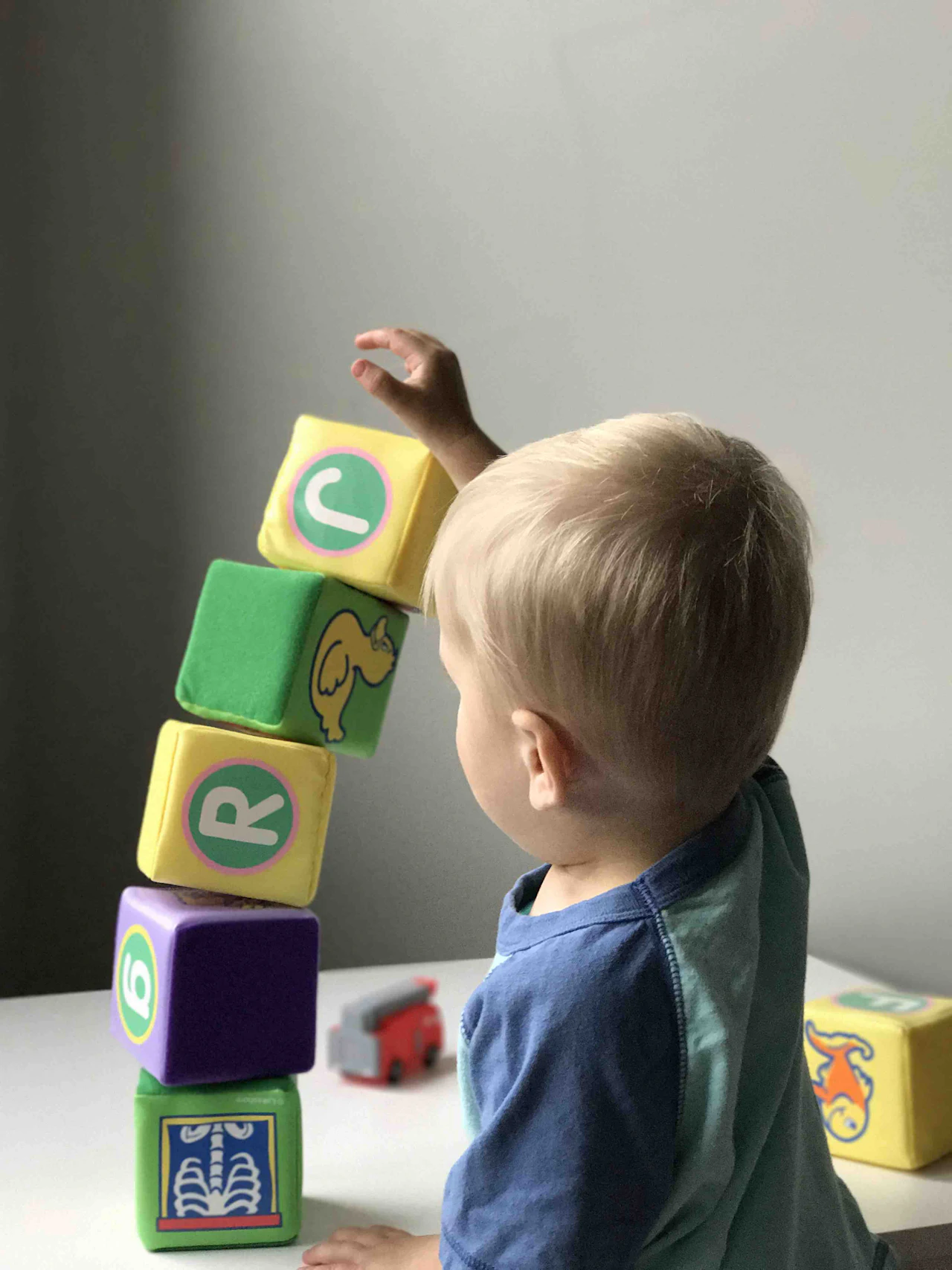
Purposeful play, real-life goals
- 1
Assessment
We look at fine and gross motor skills, sensory preferences and daily routines.
- 2
Goal-based sessions
Activities feel like play but each one works towards a goal that matters to your family.
- 3
A sensory-friendly space
A calm, predictable environment where children feel safe to try new things.
- 4
Home & school strategies
Practical ideas for parents and teachers so skills carry into everyday life.
Approaches we include
After the assessment, these may become part of your child's plan.
Sensory Integrationسینسری انٹیگریشن
Support for children who are over- or under-sensitive to sound, touch, light or movement.اُن بچوں کے لیے مدد جو آواز، لمس، روشنی یا حرکت کے لیے بہت زیادہ یا بہت کم حساس ہوں۔
Learning Supportسیکھنے میں مدد
Reading, writing, numbers and school readiness.پڑھنا، لکھنا، گنتی اور اسکول کی تیاری۔
Occupational therapy questions
What is the difference between OT and physiotherapy?
Occupational therapy focuses on everyday activities: hand skills, self-care, sensory processing, focus and school tasks. Physiotherapy focuses mainly on movement, strength and posture.
What is sensory processing?
It is how the brain takes in and organises information from the senses. Some children feel sounds, textures or movement more or less strongly, and OT helps them feel calmer and more comfortable.
Does my child need a diagnosis first?
No. If you have questions about your child's everyday skills, message us and we'll guide you.
Will I get activities to do at home?
Yes. Parents are guided at every step, with simple activities that fit into daily routines.
Let's build everyday confidence
Message us on WhatsApp to book an occupational therapy assessment.