
- Home
- Psychology
- ABA (Applied Behavior Analysis)
Learning, one small step at a time
ABA (Applied Behavior Analysis) is a structured, evidence-based approach that helps children build communication, social, learning and daily-living skills. Each skill is broken into small, achievable steps and celebrated with positive encouragement. It is widely used to support autistic children.
- Autism support
- Communication
- Social & play skills
- School readiness
- Daily living
- Parent training
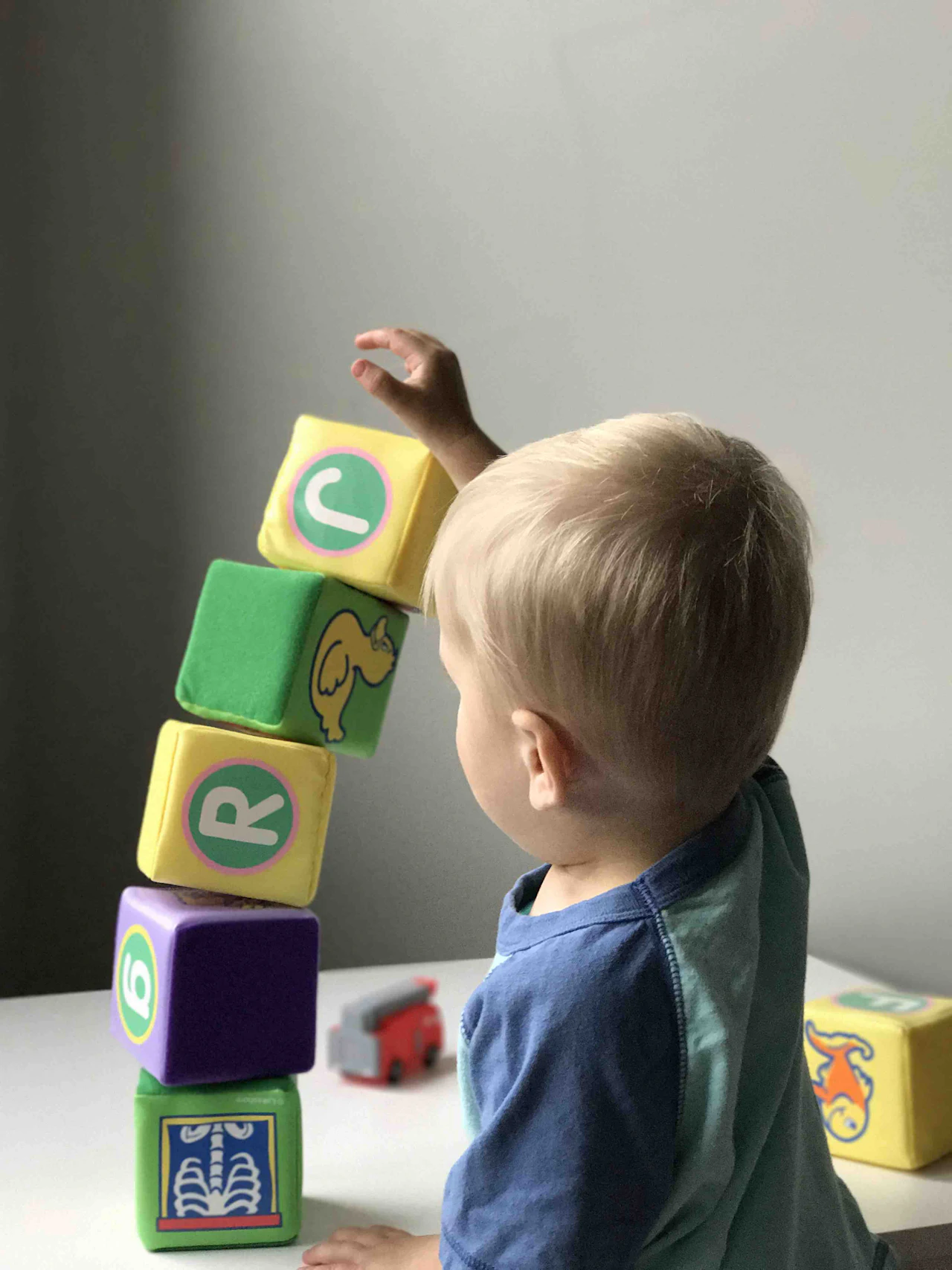
What is ABA (Applied Behavior Analysis)?
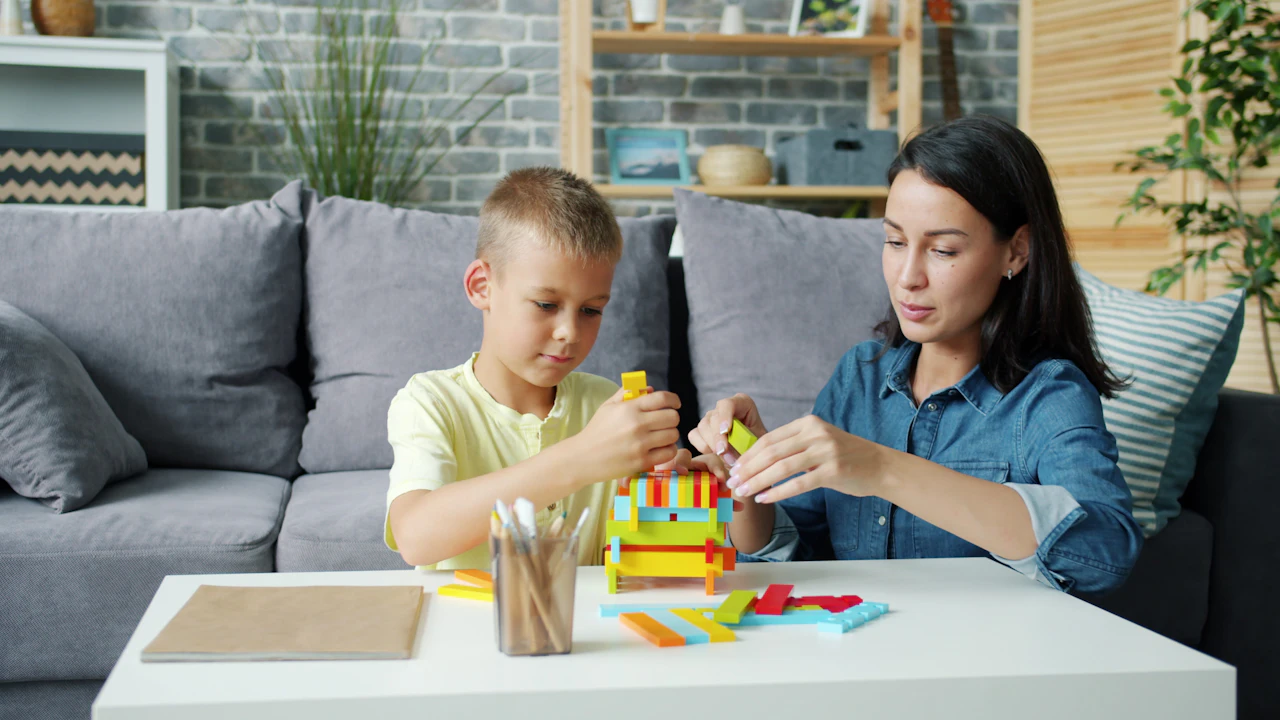
ABA puts the science of learning into practice. It looks at how a child's surroundings shape what they do, and uses that understanding to teach skills that matter in real life. Therapists break each skill into small steps, practise them in a clear, motivating way, and use positive reinforcement (praise, favourite activities and natural rewards) so learning feels good and lasts.
Antecedent
What happens just before: an instruction, a situation or a cue.
Behavior
What the child does: a word, an action or a response.
Consequence
What follows: encouragement that makes a new skill more likely to happen again.
By understanding this A-B-C pattern, we set children up for success, one small win at a time.
Techniques we may use
Every programme is individual. These are some of the methods an ABA plan can include.
MotivationPositive reinforcement
New skills are rewarded with praise, favourite toys or activities, so children want to try again.
StructuredDiscrete Trial Training (DTT)
Short, clear teaching moments with a simple beginning and end, practised in a calm setting.
Play-basedNatural Environment Teaching (NET)
Learning inside play and daily routines, so skills carry over to real life.
Child-ledPivotal Response Treatment (PRT)
Uses your child's own interests to build motivation, communication and social skills.
Step by stepTask analysis & chaining
Bigger skills like handwashing or dressing are broken into small, linked steps.
CommunicationFunctional Communication Training (FCT)
Teaches effective ways to ask for help or say "no", so frustration can ease.
Skills that open doors
Communication
Words, signs, pictures or devices: whatever helps your child express their needs.
Social & play skills
Sharing, waiting, taking turns and enjoying play with others.
Learning & school readiness
Attention, following instructions, sitting for tasks and early academic skills.
Daily living skills
Dressing, eating, toileting and routines, towards greater independence.
Emotional regulation
Calmer ways to cope with change, waiting and big feelings.
Measurable progress
Simple data tracks each goal, so you can see how your child is growing.
A main focus of our work
Every autistic child has their own strengths, interests and ways of communicating. Our ABA programmes build on those strengths and often work alongside Speech Therapy and Occupational Therapy. ABA can help children who are:
- Building communication with words, signs or pictures
- Developing play and social skills
- Following routines and instructions
- Growing independence in daily tasks
- Getting ready for school or nursery
- Finding calmer ways to express needs
- Learning to wait, share and take turns
- Practising skills across home, school and outings
Kind, respectful ABA
What good ABA looks like
- Child-led and play-based wherever possible
- Individual goals, chosen together with parents
- Progress tracked with simple data and reviewed regularly
- Respectful and consent-aware: we follow your child's cues
- Parent training, so skills continue at home
- Skills practised with different people and places
Our commitment to you
- We never use harsh or punishment-based methods
- We celebrate each child's strengths and interests
- ABA builds skills and independence. It is not about changing who your child is.
- No two children are alike, so no two plans are alike
- Progress differs for every child, and we review goals together
ABA (Applied Behavior Analysis) is one of the most widely researched approaches for supporting autistic children. It works best when it is individual, compassionate and family-centred.
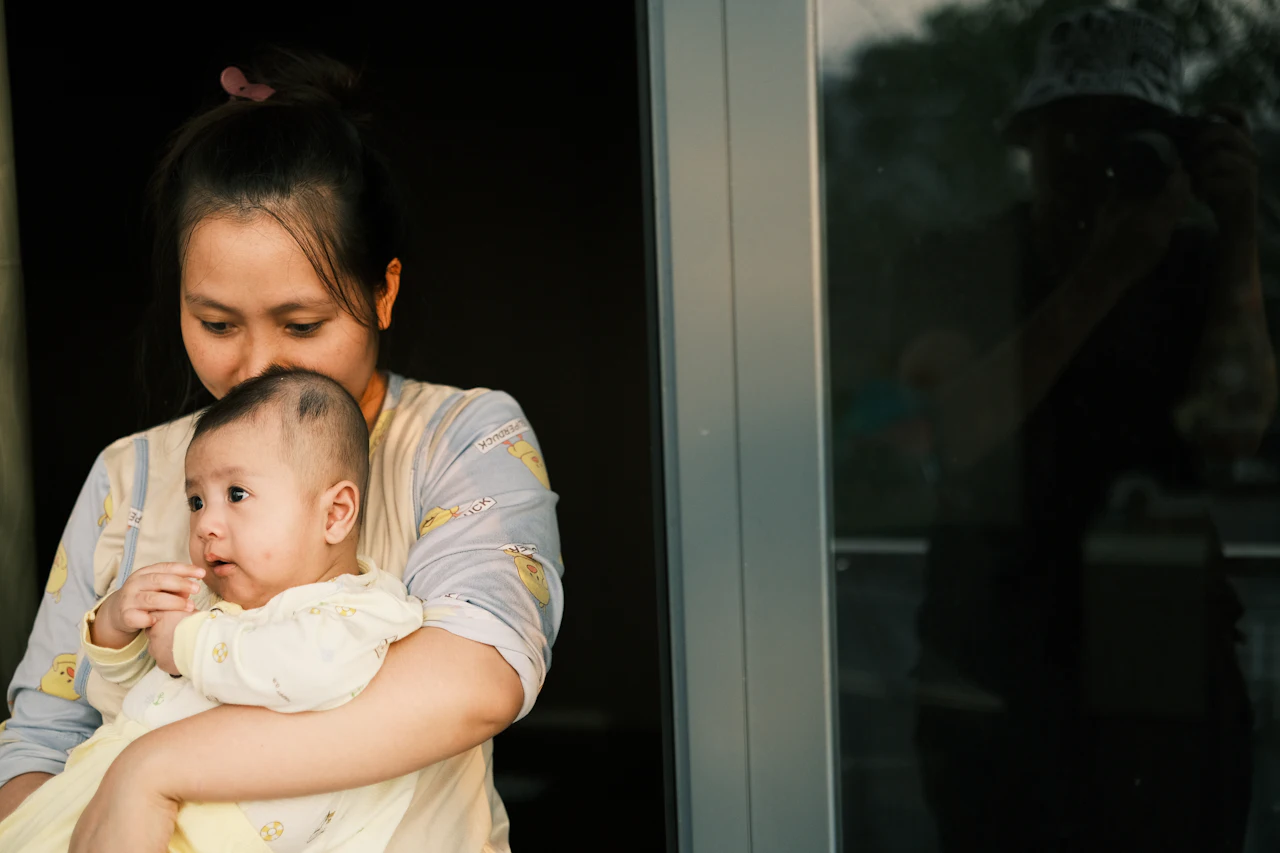
From first meeting to real progress
- 1
Assessment & observation
We learn about your child's skills, interests and your family's goals.
- 2
An individual programme
Clear, measurable goals, each broken into small, achievable steps.
- 3
Structured & play-based sessions
A balance of focused teaching and natural play, full of encouragement.
- 4
Parent training & reviews
We show you the strategies we use and review progress with you regularly.
Approaches we include
After the assessment, these may become part of your child's plan.
Behaviour Calming Therapyرویّہ پُرسکون کرنے کی تھراپی
Positive strategies for tantrums, anger and strong emotions.ضد کے دوروں، غصے اور شدید جذبات کے لیے مثبت طریقے۔
Parent Guidance & Trainingوالدین کی رہنمائی اور تربیت
Practical strategies to support the child at home.گھر پر بچے کی مدد کے لیے عملی طریقے۔
ABA questions
What does ABA stand for?
ABA stands for Applied Behavior Analysis: the practical use of the science of learning and behaviour to teach meaningful skills.
Is ABA only for autistic children?
ABA is best known for autism support, and it can also help children with other developmental or learning needs build communication, learning and daily-living skills.
How many hours of ABA will my child need?
It depends on your child's goals. After the assessment we recommend a plan together with you and adjust it as your child progresses.
Is ABA gentle and positive?
Yes. Our ABA is built on positive reinforcement, play and respect for your child's cues. We never use harsh or punishment-based methods.
Can parents learn ABA strategies too?
Absolutely. Parent training is part of every plan, so you feel confident supporting your child at home.
Every small step counts
Message us on WhatsApp to book an ABA (Applied Behavior Analysis) assessment.